Winter Heels: Chic, Cold and Not Personally Insulted by Ice
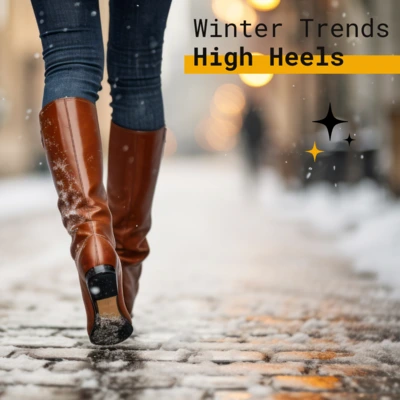
Winter is the season when fashion magazines advise us to look expensive while meteorology prepares a rebuttal. A beautiful leather boot can improve a grey afternoon. It cannot repeal black ice. I say this as someone who adores a good heel and would prefer to keep both ankles.
The winter shoe has a job to do
A winter heel faces water, salt, uneven pavements and cold toes. Begin with the outsole: examine tread depth, texture and material. A smooth leather sole may be lovely indoors but poorly suited to wet paving. Even a lugged outsole is not a guarantee of grip on ice. For freezing conditions, choose footwear specifically suited to the surface, use appropriate traction aids when needed and save fragile heels for indoors.
Next inspect the upper. Leather and suede respond differently to moisture. Water-resistant finishing varies by product, and a label advertising 'winter style' does not establish waterproof performance. If the boot has a zipper, make sure the shaft and closure are comfortable with your intended socks.
The shapes worth inviting outside
Low block-heel ankle boots are versatile with trousers and long coats. The broad heel can feel steadier than a thin one on suitable, dry ground, but the outsole matters far more on slippery paving. Block heels remain one of the best starting points for someone who wants height without constant performance anxiety.

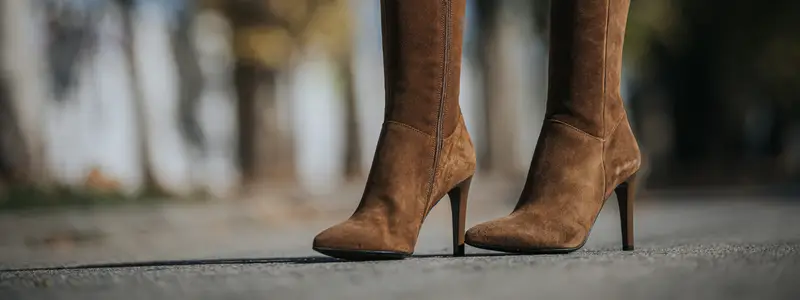
Heeled lace-up boots offer adjustable fastening across the foot, which can help accommodate different sock thicknesses. Check that the laces stay clear of the ground and that the upper does not fold painfully at the ankle. Knee-high boots add visual drama and some coverage, though fit at the calf is as important as the footbed.
Stilettos with a winter coat may look splendid at a restaurant and dreadful on an iced pavement. There is no shame in changing into them on arrival. I prefer a dramatic entrance to an ambulance entrance.
Socks, layers and the colour problem
Thick socks require room; buying an oversized shoe merely to make them fit may produce heel slippage. Test boots with the precise hosiery you intend to wear. Dark brown leather and grey wool, oxblood and camel, black suede and textured charcoal: these are reliable winter combinations. I also enjoy a bright boot beneath an otherwise sober coat. Some colour is good for morale in January.
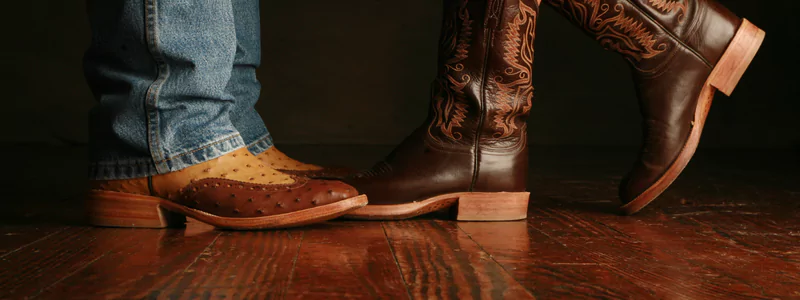
If you are wearing a skirt or dress, check that the boot shaft and tights move comfortably together. If you prefer tailored trousers, consider where the hem ends relative to the boot opening. My jeans-and-heels guide discusses trouser lengths without pretending everyone owns the same legs.
Protect the investment
Remove road salt and surface dirt promptly using care guidance appropriate to the material. Do not dry soaked shoes directly against intense heat: leather can stiffen and adhesives may suffer. Let shoes air-dry away from radiators, then condition or brush as required. For suede, start with the material-specific guide. For patent, consult my patent leather notes.
Rotate frequently worn pairs so damp interiors have time to dry. Replace worn heel tips and inspect outsoles before the worst weather. Expensive boots do not earn special permission to be neglected.
Winter trends are not marching orders
A runway may declare a narrow pointed boot essential. Fine. The runway is usually clean, heated and has people whose job is to recover anyone who falls. Your commute has different management. Choose from the trend vocabulary: sculptural heels, tall shafts, interesting leather, squared toes. Then edit it for actual life.
Are high heels safe on ice? No ordinary fashion heel can be assumed safe. Prioritise traction-appropriate footwear and change shoes indoors if conditions demand.
Can suede boots be worn in winter? Sometimes, depending on weather and protective treatment, but avoid conditions likely to saturate or salt-stain the material.
Winter elegance is perfectly possible. It merely needs a little less fantasy and considerably better soles.