Block Heels: A Sensible Shoe with Questionable Intentions
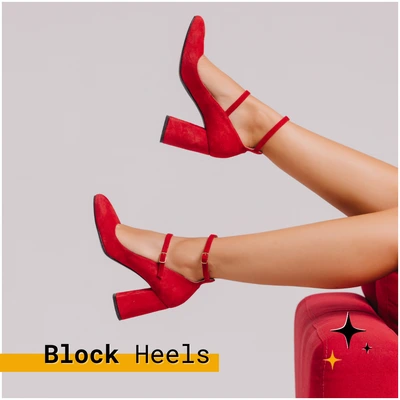
The block heel is fashion’s slightly disreputable civil engineer. Solid foundations, respectable angles, and a private life it refuses to discuss. The stiletto gets the photographs. The block heel gets me home with my dignity and most of my patience.
I adore a narrow stiletto. I am also familiar with public transport, lengthy queues and the sort of stairs designed by someone who clearly hated shoes. There are evenings for spectacle and mornings for buying bread. Both deserve decent heels.
What makes a block heel different?

The heel has a broader base, usually square or rectangular. It provides more contact with the ground than a thin stiletto tip, and may feel steadier to some wearers. That matters for beginners and for anyone who wants a more forgiving shoe.
But shape is only part of the story. A 10-centimetre block heel can still put considerable pressure on the front of your foot. A narrow toe box can still pinch. The health evidence does not permit us to call every chunky heel comfortable by royal decree.
The case for an everyday heel

One of the charms of block heels is their lack of ceremony. They work with jeans, trousers, knitwear and a blazer. The result can be neat without resembling a diplomatic reception at which someone has misplaced the ambassador.
Try black leather block-heeled ankle boots with straight-leg trousers. A polished pair with a rounded toe can suit a more traditional outfit. For a softer look, I enjoy the visual contrast between a sturdy heel and a delicate strap.
If you want the latter, have a look at Mary Jane heels for men. They are what happens when sensible footwear begins an inappropriate office romance.
Comfort begins at the toes

Before buying, check the actual width of the front of the shoe. Your toes need room; the widest part of your foot should not spill over the sole. Make sure the shoe does not rub your ankle or slide off at the heel.
A flexible strap can improve how securely a shoe stays on your foot. Good cushioning may reduce some pressure sensations, but it cannot correct a fundamentally poor fit. The NHS shoe-fitting guide has a useful explanation of toe-box depth and width.
Try the shoes when your feet are not unusually cold and give them a proper walk indoors before committing. Do not choose a size merely because the label flatters your ego. It is not a waist measurement. Nobody sees the number while you are walking, and if they do, you are probably in the wrong sort of relationship.

They don't have to be boring
Chunky heels can look deliciously severe in black leather. In burgundy patent, they can be pleasantly eccentric. Platforms create a different proportion entirely, although the extra height changes how you balance.
For that distinction, visit platform heels. And if you're choosing your first pair, the practical walking guide offers a gentler introduction than pretending you were born wearing six inches.
You can call block heels boring. You can also call a well-fitted suit boring, or a decent accountant. Then the pavement turns to cobbles and suddenly the quiet, competent ones become outrageously attractive. I have always liked a shoe that keeps its promises.