High Heels and Health: What the Evidence Actually Says
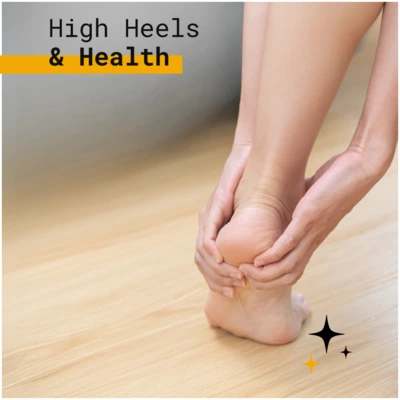
My taste in heels can probably be cross-examined in court. I will defend it enthusiastically. What I will not defend is the idea that pain proves elegance. That is not fashion. That is an exceptionally poorly run medical experiment with attractive packaging.
The internet has two favourite podiatrists: one says heels will destroy civilisation, the other says a confident mindset cures toe pain. Neither appears to have examined an actual foot. I prefer evidence, partly because it is useful and partly because it makes terrible marketing copy.
What the studies actually show
A 2017 evidence synthesis found associations between wearing high heels, bunions (hallux valgus), musculoskeletal pain and injuries. Biomechanical studies also show changes in loading and movement. That does not mean every wearer develops these problems, or that one evening in heels causes permanent harm.
Another systematic review in BMJ Open examined injuries and musculoskeletal outcomes. Research quality varies. Studies also struggle to separate heel height, fit, duration, other shoe characteristics and individual health. Most published samples concern women, so we should be cautious about pretending one risk estimate describes everyone equally.
The conclusion will disappoint both the moral panic brigade and the motivational influencers. High heels can increase certain risks. Better fit and sensible habits can reduce some problems. Neither side gets to declare victory with a stock photo of a smiling ankle.
Your toes did not agree to this

Heels shift loading towards the forefoot. Narrow or pointed toe boxes can add squeezing. The first thing I check is therefore not the colour, however tempting. It is the space for my toes.
The Guy's and St Thomas' NHS guidance recommends adequate depth and width at the front, correct length and secure fastening. Shoes should hold the foot; the toes should not be employed as emergency anchors.
If you have broad feet, browse heels for wide feet before resigning yourself to a smaller size. A larger size is not a personal scandal. Unlike insisting on shoes that numb your toes and then calling it “discipline”.
Heel height, balance and the ground beneath us
A broad heel can feel more stable than a narrow one of similar height. That is one reason block heels are useful for everyday wear. They do not prevent ankle sprains, and very high block heels still change loading.
An unstable step or uneven ground matters. Inspect worn heel tips, avoid rushing on cobbles, and use handrails where available. The walking guide covers ankle care and links to NHS injury advice. Recurrent pain or ankle instability deserves medical assessment, not another motivational quote.
Do inserts help?
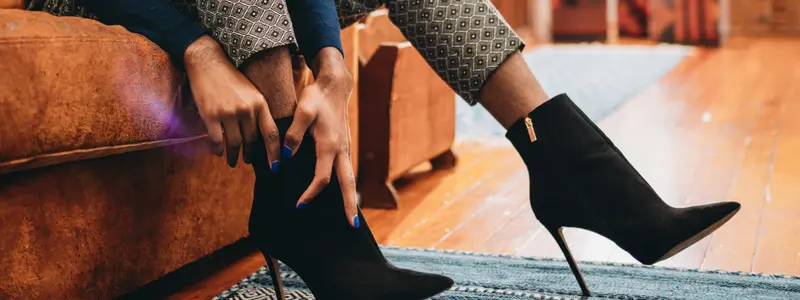
Sometimes. A forefoot grip can reduce sliding in a shoe that already fits reasonably well. For example, Pedag Girl is a thin, self-adhesive grip intended for high heels. It is not a treatment for a sprain, and it cannot fix an excessively tight toe box.
A shaped high-heel insole is another option. Superfeet Casual Easyfit High Heel is designed for high-heeled footwear. Check the actual space in the shoe before adding material. The manufacturer's comfort claims are not a substitute for independent medical evidence.
I would rather recommend one useful insert than a small pharmaceutical opera performed by six mysterious gel pads. Anatomy is notoriously unimpressed by advertising.
Sensible habits and real warning signs
Alternate footwear when practical. Reduce time spent standing if discomfort begins. Take breaks and avoid pushing through pain. If the shoe repeatedly causes numbness, bruising or blisters, it may not be the right pair.
Persistent or recurrent symptoms deserve professional advice. For a suspected ankle sprain, the NHS sprains guide explains early care. Severe pain, inability to bear weight, deformity or colour change may require urgent or emergency assessment.
Notes from the reading desk

The sources above are linked for readers who want the actual evidence, not a second-hand paraphrase of a second-hand blog post. They include two research reviews, NHS fitting guidance and NHS injury advice. Product links are practical examples, not endorsements or proof of health benefits.
So, will I stop wearing heels? No. Will I pretend that a pointy 12-centimetre pump is suitable for a six-hour walk? Also no. I will defend my heels against bad taste, lazy stereotypes and absurd dress codes. I will not defend them against an X-ray. Loving a shoe does not require perjury.
References for the curious
Barnish, M., Morgan, H. M. and Barnish, J. (2017). The HIGH HABITS study. BMC Public Health, DOI: 10.1186/s12889-017-4573-4.
Barnish, M. S. and Barnish, J. (2016). High-heeled shoes and musculoskeletal injuries: a narrative systematic review. BMJ Open, DOI: 10.1136/bmjopen-2015-010053.
Guy's and St Thomas' NHS Foundation Trust (2025). Choosing shoes to reduce foot pain.
NHS (2024). Sprains and strains.