Platform Heels: A Small Architectural Offence
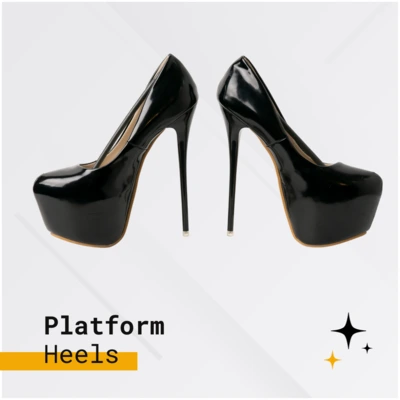
Some shoes add height. Platform heels apply for planning permission.
I appreciate a graceful stiletto, but occasionally I want a shoe with the temperament of an apartment building. A tall platform has presence, attitude and an excellent chance of starting an argument with a sensible relative. It can also be surprisingly wearable. The word can is doing rather heavy lifting here.
Before anyone promotes a seven-inch platform to the position of everyday footwear, we should discuss what it actually does to your feet. I like drama. I don't require an orthopaedic subplot.
The part under your toes matters
A platform shoe has a raised sole beneath the forefoot. A platform heel combines that with an elevated heel at the rear. That distinction matters because two shoes with the same overall height may position your foot very differently.
Imagine a shoe with a 12 cm heel and a 4 cm forefoot platform. The approximate difference is 8 cm. Remove that platform, keep the heel height, and the foot sits at a steeper angle. This is useful for understanding the design, but the arithmetic is only an approximation: sole curvature, heel placement and foot shape affect how the shoe actually feels.
Some shops advertise the total heel height as though that single number tells the complete story. It doesn't. I could describe myself as six feet tall while standing on a telephone directory. You might reasonably request more detail.
When shopping, inspect the overall heel height, front platform height, ankle support and the sole's flexibility. My guide to heel height helps decode the measurements; platforms versus stilettos tackles the visual and practical trade-offs.
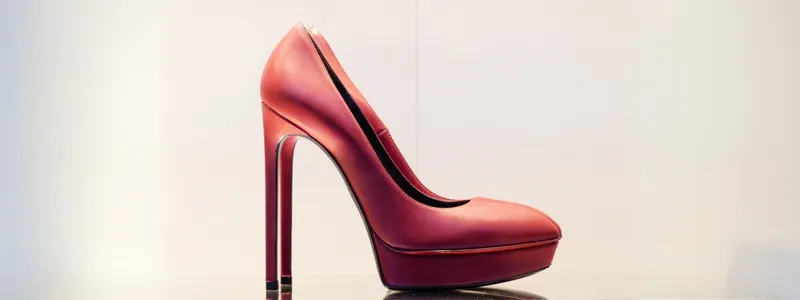
Venice had platforms before your favourite nightclub
Sixteenth-century Venice had its own elevated footwear. Chopines could be extraordinary structures, sometimes covered in velvet or silk. The Metropolitan Museum of Art describes their practical role in keeping expensive clothing above wet streets and their association with status.
A separate museum example dated 1550 to 1650 has elaborate decoration and a raised base that would look entirely at home in a designer's fever dream.
The ancestry is fascinating, but chopines are not simply modern platform pumps with a history degree. Their construction, purpose and social context were different. Fashion history becomes much more interesting when we resist the temptation to declare everything an invention of the present.
Modern platforms had major twentieth-century chapters too. The Met notes the renewed popularity of platform shoes in the late 1960s and shows a remarkably sculptural 1973 example. If you suspect the 1970s were taking liberties with architecture, the evidence is compelling.
Are platform heels easier to walk in?
Sometimes. A forefoot platform can reduce the angle between heel and toe compared with an otherwise similar high shoe. That may make a given overall height feel less extreme. The American Academy of Orthopaedic Surgeons notes that a platform under the toe box can help reduce forefoot stress associated with higher heels. Read the actual shoe-fitting guidance rather than trusting a sales label that promises effortless comfort.
However, a thick rigid sole can make it harder to feel the ground. A narrow heel can still wobble. A heavy platform can catch an edge or make a misstep more dramatic. None of these things becomes safe because the shoe has a glitter finish.
My fitting checklist is very unromantic: the shoe should hold your heel securely, the ball of your foot should sit where the shoe bends, and your toes should not be compressed. Walk on a clean, level surface first. Try turning, stopping and taking a few steps backwards. Save stairs for when you can genuinely control the shoe.
If you are new to heels, begin with a moderate platform and a broad, well-positioned heel. The walking guide covers pace, balance and what to do when your feet object. And feet do have the right to object. Mine are occasionally the opposition party.
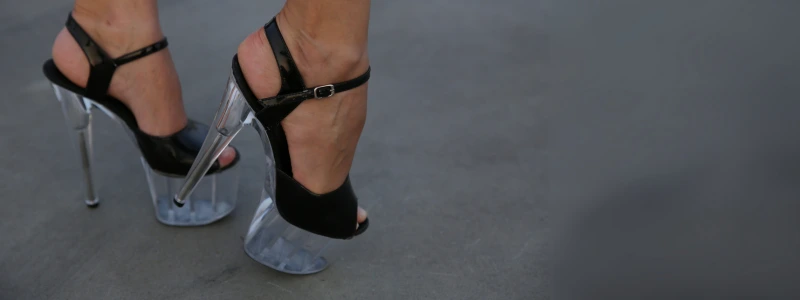
The difference between a club shoe and a commuter shoe
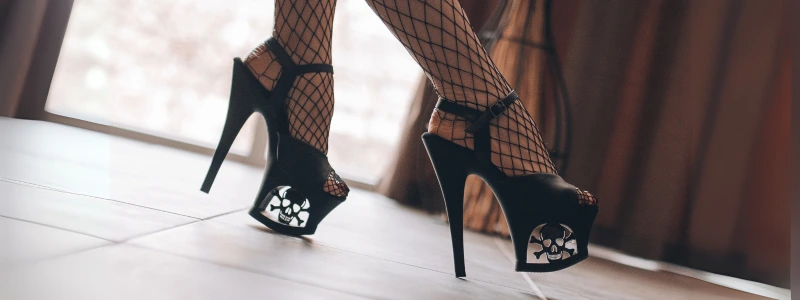
A dance or performance shoe may be spectacular onstage and impractical on rough pavement. Some tall platform footwear is designed around particular movements, surfaces and choreography. That does not automatically make every model suitable for beginners, and it certainly doesn't make pole dancing a sport you should attempt in whichever boots look tallest in a photograph.
For performance, follow the venue's and instructor's footwear guidance, inspect the ankle straps and buckles, and practise the movements appropriate to your training. For ordinary travel, consider changing into your special pair on arrival.
That is not cowardice. It is logistics. The aristocracy employed attendants; I can employ a tote bag.
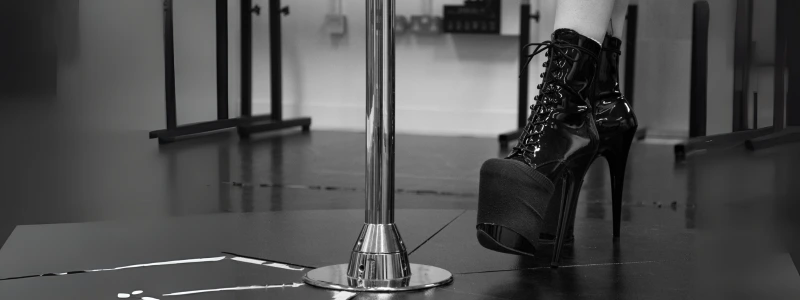
Platform boots: a little more rock, a little less apology
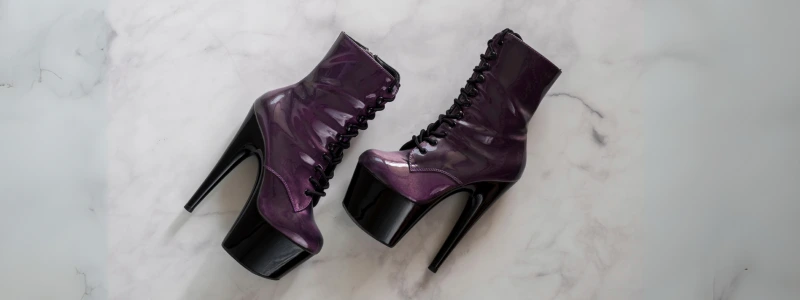
Platform ankle boots are my favourite compromise between theatre and real-life dressing. A lace-up boot or fitted zip boot can secure the foot more effectively than a loose pump. The extra leather or fabric around the ankle is helpful for fit, although it cannot make an unstable sole safe.
Try black platform boots with straight trousers, a plain shirt and one interesting accessory. If you want a glam or metal look, go further: fitted trousers, silver hardware, dark nail polish. Not every outfit needs a committee meeting about masculinity. Men in Heels has my longer argument on that subject.
Want an intentionally extravagant look? Purple platforms, enormous buckles or a sculptural shape can make the whole outfit. Just give the shoes enough visual room. A jacket with twelve competing patterns may lead the audience to file a formal complaint.
Buy the structure, not just the height
When inspecting a pair, check whether the sole meets the upper cleanly and whether both heels stand evenly on a level surface. Look for a secure attachment between the platform and outsole. Notice how the shoe bends: it should not fold alarmingly through the middle, nor should it refuse all movement where your foot needs to flex.
Also check the outsole's grip. Smooth soles and wet paving are not a romantic pairing. Replacement heel tips and the possibility of a repair matter more than a dramatic product title. For a broader assessment of shoe construction, I wrote Most Durable Heels.
Try both shoes. Stand still for a moment. If you can feel pressure immediately, do not assume the shoe will develop a conscience after three hours.
Where do platforms belong in a wardrobe?
A sensible collection can contain several kinds of unreasonable shoe. I would keep one fairly restrained platform boot for casual outfits, one dressier pair for evenings, and one outrageously theatrical design if budget and storage permit. I am aware this advice comes from a man whose relationship with available shelf space is complicated.
Platforms are especially appealing when you want a strong silhouette without a delicate needle heel. They can also work brilliantly with wide trousers, shorter jackets and simple monochrome outfits. A visible platform changes proportions, so inspect the entire outfit in a mirror rather than judging the shoe alone.
The Heelsman verdict
Platform heels aren't cheating. They are a different piece of engineering with their own advantages and compromises. Their height can be thrilling; their history is stranger than much of their marketing; and a well-chosen pair can look gloriously improper beneath perfectly respectable clothes.
I adore them. I also check the stairs.