Painting Heels for Men: The Art of Not Ruining Good Shoes

There is a certain pleasure in looking at a conventional pair of shoes and deciding their colour scheme was a timid committee decision. Painting them yourself is tempting. It can also convert expensive leather into a sticky modern-art experiment. The distinction generally involves preparation, appropriate products and knowing when to stop.
Choose the right candidate
Begin with an inexpensive, structurally sound pair. Do not use your only formal shoes for a first experiment. Smooth finished leather, coated synthetic material, suede and fabric react differently to coatings. A paint marketed for leather may not adhere to every synthetic finish. Look for the product manufacturer's specific compatibility instructions, not a stranger's assurance that 'acrylic works on everything'.
Avoid painting areas that need to flex heavily until you have tested the finish. The vamp bends repeatedly; rigid layers may crack. Heels and less-flexible side panels are often easier places to experiment with small accents. If a shoe is already peeling, painting over the damaged coating will not magically rebuild the substrate.
Make a plan before opening the paint
Sketch the design or print a template. Two complementary colours often look more intentional than six competitive ones. I like dark leather with a restrained metallic heel, a red accent on a black boot or a graphic line that echoes the edge of a trouser. If you're feeling theatrical, decorative heels provide plenty of evidence that moderation is not a legal requirement.

Take photographs of the shoe from several angles and mark areas that must stay clean: stitching, lining, sole edges, hardware and any leather designed to remain flexible. Remove laces and detachable ornaments. Work in a ventilated area suitable for the products, following their labels and safety instructions. Keep chemicals away from flame and children.
Preparation is a craft, not an insult
Clean the surface with a method appropriate to the material and allow it to dry. Some paints require a dedicated preparer or deglazer; use only what the manufacturer recommends for that shoe finish. Strong solvents can ruin leather, adhesives, colour or synthetic coatings. Mask areas that should not receive paint. Apply thin coats according to the product's drying and curing instructions rather than laying on one thick, impatient layer.
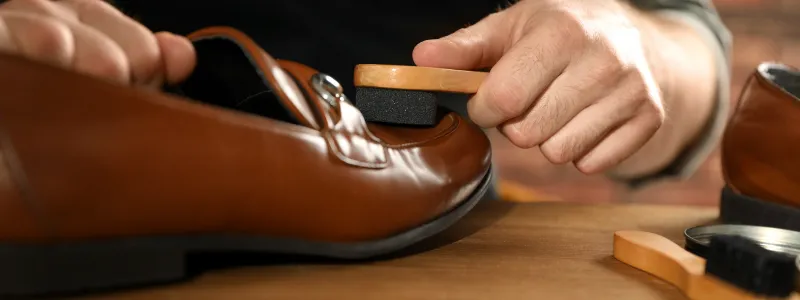
Before treating the entire shoe, test an inconspicuous spot. Watch for poor adhesion, wrinkling and colour transfer. When the paint has cured, flex the shoe carefully by hand and check for cracks. Do not interpret a quick surface-dry as proof that a coating is fully cured. For an expensive or fragile pair, commission a specialist instead.
The sole deserves special treatment
Painting the walking surface of an outsole can alter its grip and wear away quickly. Do not apply decorative coatings where they may make the shoe slippery. Painting heel tips or the tiny contact surface at the base is equally unwise. Keep the function of the shoe separate from its artistry. If you want contrast under the arch, use a product explicitly intended for that location and follow the manufacturer's guidance.
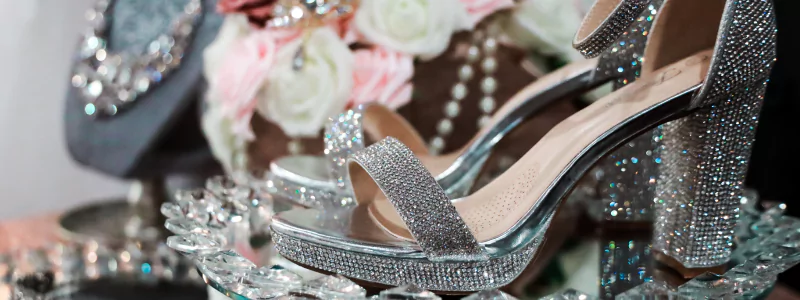
Men in painted heels? Yes, and the question is rather dull
A good custom design does not belong to one gender. A man in a sharp suit with hand-painted boots may look quite masculine, dramatic or simply very well dressed. Read my thoughts on men in heels and Oxford heels if you want a more restrained starting point.

Can I paint suede? There are specialist dyes and products, but ordinary leather paints can flatten the nap and change the texture. Test carefully or use a professional.
Can I paint patent leather? Adhesion on glossy coatings can be difficult. Follow the coating manufacturer's recommendations and expect higher risk of visible defects.
Should I seal the result? Only if your chosen paint system requires a compatible finish. A random varnish is not an upgrade.
The best customised shoe looks deliberate from two metres away and survives a closer inspection. If it also survives walking, congratulations: you have practiced design rather than vandalism.